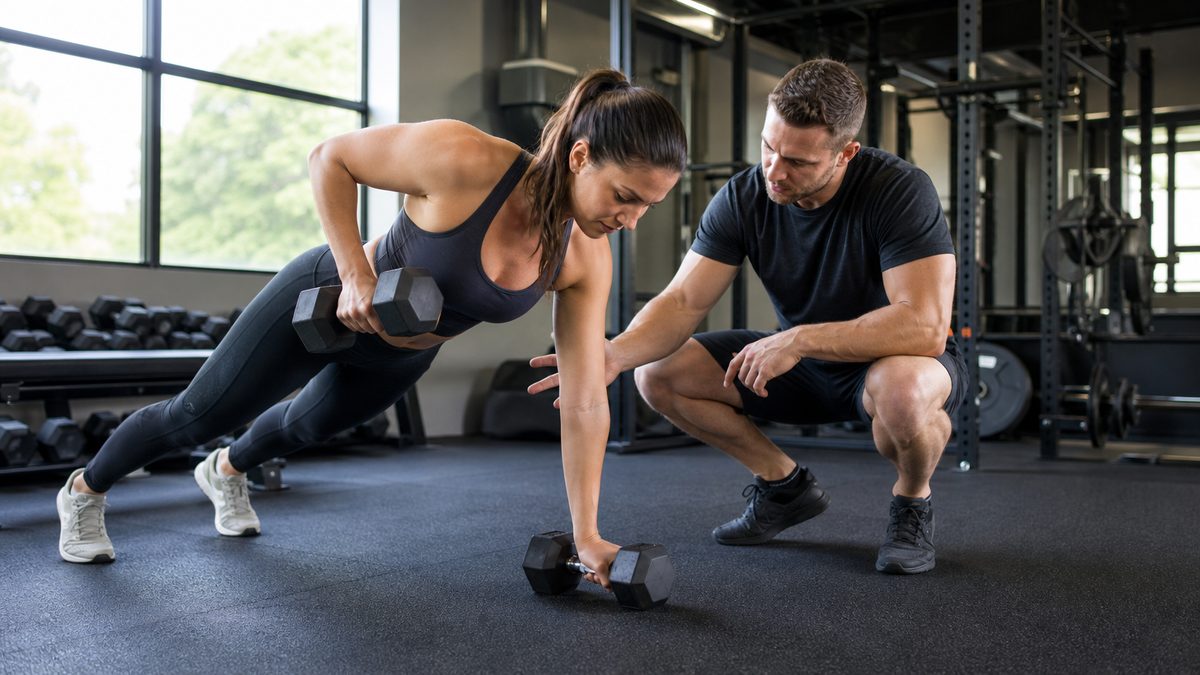
Yes, 30-minute personal training sessions can work when the workout has a clear goal, makes good use of the time, and sits within a consistent plan. Half an hour is enough to build strength, improve Cardiovascular fitness, support Weight management, or learn better movement skills. Results depend less on the clock and more on what you do during those 30 minutes.
For local coaching options, visit Croydon Personal Trainers and discuss your goals, experience and preferred training schedule.
A short session leaves no room for wasted time. Your trainer needs to pick exercises that match your goal, set up the equipment before you begin, and manage rest periods. You need to arrive ready, too. When all of that comes together, a focused 30-minute session can deliver more useful work than a messy hour at the gym. consistent plan
What makes a 30-minute session work?
A good session puts enough training demand on your body to make it adapt. That demand may come from resistance, speed, total work, or better control of a movement. Your trainer doesn't need to wear you out. The session simply needs to give your body a clear reason to improve.
Strong short sessions tend to chase one main result. A strength workout may focus on squats and presses. A conditioning workout might use a bike, rower, or sled. A movement session may sharpen the way you hinge, brace, or lift. Trying to cover every body part and every kind of fitness in half an hour often creates rushed work with no real aim.
understand your current ability. A beginner may gain plenty from simple Exercise because the movements are still new. An experienced lifter may need heavier loads, shorter rest periods, or a more exact program to get the same training effect.
How should the 30 minutes be structured?
A practical session may use four short phases:
- Preparation: About four minutes of movement to raise body temperature and ready the joints used in the workout.
- Main work: About 18 minutes spent on the exercises most closely tied to your goal.
- Support work: About six minutes for a smaller muscle group, a weak movement, or a quick conditioning block.
- Record and reset: About two minutes to record loads, repetitions, pain, and the next target.
The exact timing can shift. What matters is keeping the main work long enough to count. A long chat, ten minutes on a treadmill, and several equipment changes can eat up half the booking before the useful training even starts.
In coaching, a timer often makes these sessions run better. It tells the trainer and client when to work and when to rest. It also keeps rest periods from quietly stretching during a chat. But the workout shouldn't feel frantic. Good pacing adds focus without hurting technique.
Which training styles fit a short appointment?
Strength training fits neatly into 30 minutes when the trainer keeps the exercise list short. Two main movements paired with one or two smaller exercises can work a lot of muscle. For example, a client could switch between a squat and a row, then end with a loaded carry. This pairing saves time because one area rests while another gets to work.
Circuit training also suits the format. The client moves through a planned group of exercises with set rest periods. A useful circuit could pair a lower-body movement with an upper-body movement, then add a short cardio station and a core drill. The exercises must stay simple enough that tiredness doesn't wreck good form.
High-intensity interval training can build work capacity quickly, but it shouldn't take over every session. Hard intervals ask a lot from the body. They work best once the client has basic movement skills and can recover well between sessions. More effort isn't always better.
Short appointments can also build general Physical fitness. Instead of squeezing every goal into one workout, the trainer can change the focus across the week. One day might centre on resistance work. Another can cover conditioning and mobility.
Can half an hour build strength and muscle?
Thirty minutes can build strength and muscle when the program uses Progressive overload. In plain terms, the work gets harder over time. The client may lift more weight, do more repetitions, use a better range, or finish the same work with a little less rest.
That progress needs a record. Without a training log, a short workout can turn into the same routine every week. It may still feel tough, but effort without progress often ends in a stall.
A common client pattern shows why focus counts. Someone spends an hour drifting between machines but finishes only a few hard sets. A trainer then trims the plan to four exercises and records every working set. The booking gets shorter, yet the client does more useful work and watches the load climb over several weeks.
There are limits. A skilled lifter who needs many heavy sets may find it hard to fit enough work into 30 minutes. Heavy lifts need longer rest as well. In that case, the trainer can coach the toughest part of the workout during the appointment, then provide a written plan for the work that's left.
Can a short session improve cardio and help with body weight?
Yes. A well-paced session can improve Cardiovascular fitness, especially for beginners and people coming back after a break. Intervals on a bike, incline walk, rower, or sled can lift the heart rate fast. Resistance circuits can create a cardio demand while working the muscles, too.
For Weight management, the session can help, but it doesn't control the whole result. A single workout burns only so much energy. Weekly activity and food intake have a much bigger effect on body weight. Personal training works best when it helps the client exercise safely, preserve or build muscle, and keep showing up.
Nutrition must suit the goal. A client who wants to lose fat still needs regular meals with enough protein and fibre. Someone trying to gain muscle needs enough food for training and recovery. One hard 30-minute workout can't wipe out a week of eating against the goal.
Daily movement counts as well. Someone who trains twice a week but sits for most of each day may progress more slowly than a person who also walks often. The coached session should hold the plan together, not carry all of it.
How does 30 minutes compare with a full hour?
A 30-minute session keeps things focused and can make regular attendance easier. It may cost less per appointment, too. This setup suits busy people, beginners who don't need lots of training volume, and clients who do extra work by themselves. personal training
An hour gives you more time for teaching, longer rests between heavy sets, and added training volume. It may be a better fit for advanced strength goals, complex movement needs, or clients who only train in coached appointments. Longer sessions also leave more room to adjust when pain or equipment delays upset the plan.
Extra time doesn't promise a better result. A loose 60-minute workout can include less quality work than a sharp 30-minute one. The better measure is how much suitable work gets done with sound form, not the appointment length shown on the booking.
Who gets the best results from shorter sessions?
Short personal training works well for a client who arrives on time, follows directions, and stays active outside the appointment. It's also a good fit for someone put off by long gym sessions. A smaller time commitment removes the excuse that Exercise takes too long.
Beginners often do well because they can improve with a modest amount of training. A clear plan also stops them from roaming between machines. For busy clients, two short appointments may be easier to keep than one long booking.
People returning after illness, injury, or a long break may prefer a shorter session as well, as long as their doctor or treating professional has cleared them where needed. The trainer can watch fatigue and stop before technique slips.
This format works less well when a client needs a long warm-up, detailed rehabilitation work, or lots of training volume. It may also come up short when travel and changing time are harder to fit in than the workout itself.
What can make a short session ineffective?
Poor planning is the biggest issue. If the trainer picks exercises after the session begins, valuable minutes vanish. Too many equipment changes cause the same trouble.
Long rests can cut the amount of work, though rest shouldn't be shortened when heavy lifting calls for it. The trainer needs to match the exercise choice to the time available. Heavy sets with full recovery may call for a stripped-back plan built around one main lift.
Another trap is chasing sweat instead of progress. A client can end a workout tired without getting stronger, moving better, or becoming fitter. Random burpees may feel brutal, but they don't show that the program works. The trainer should record a small set of measures tied to the goal.
Poor recovery can blunt the result, too. Sleep affects energy, technique, hunger, and how well the body adapts to training. A client who sleeps five hours and trains hard may feel worse even with a sound session plan. Recovery habits matter more as training gets harder.
How often should progress be checked?
The trainer should check performance in every session and review the wider pattern every few weeks. Good signs include heavier loads, more controlled repetitions, less effort at the same pace, or a better movement range. Body measurements can help when they fit the client's goal, but they shouldn't replace performance records.
Record keeping is vital in a short session because there's little time to repeat tests. The trainer can write down each working set during regular training. That builds useful evidence without swallowing a large chunk of the appointment.
If progress stalls, the trainer should first look at attendance, effort, recovery, and any work done outside coached sessions. Throwing in more exercises is rarely the first fix. A small shift in load, weekly volume, or session focus may do the job.
How can you get more value from each appointment?
- Arrive a few minutes early with your shoes, water, and training notes ready.
- Tell the trainer about pain, poor Sleep, or unusual tiredness before the timer starts.
- Ask about the session goal so you know what each exercise should improve.
- Record weights and repetitions so Progressive overload can be planned.
- Do any agreed walking, mobility, or solo Strength training between appointments.
- Back the plan with suitable Nutrition and regular daily movement.
Don't judge the session by sweat or soreness. Judge it by whether the work pushed you towards a clear target and whether you can recover before it's time to train again.
What should you do next?
Pick one result you want from personal training, then ask your trainer to create a focused 30-minute plan with clear progress targets. Follow it consistently for several weeks, and use your training record to see whether the format works for you.