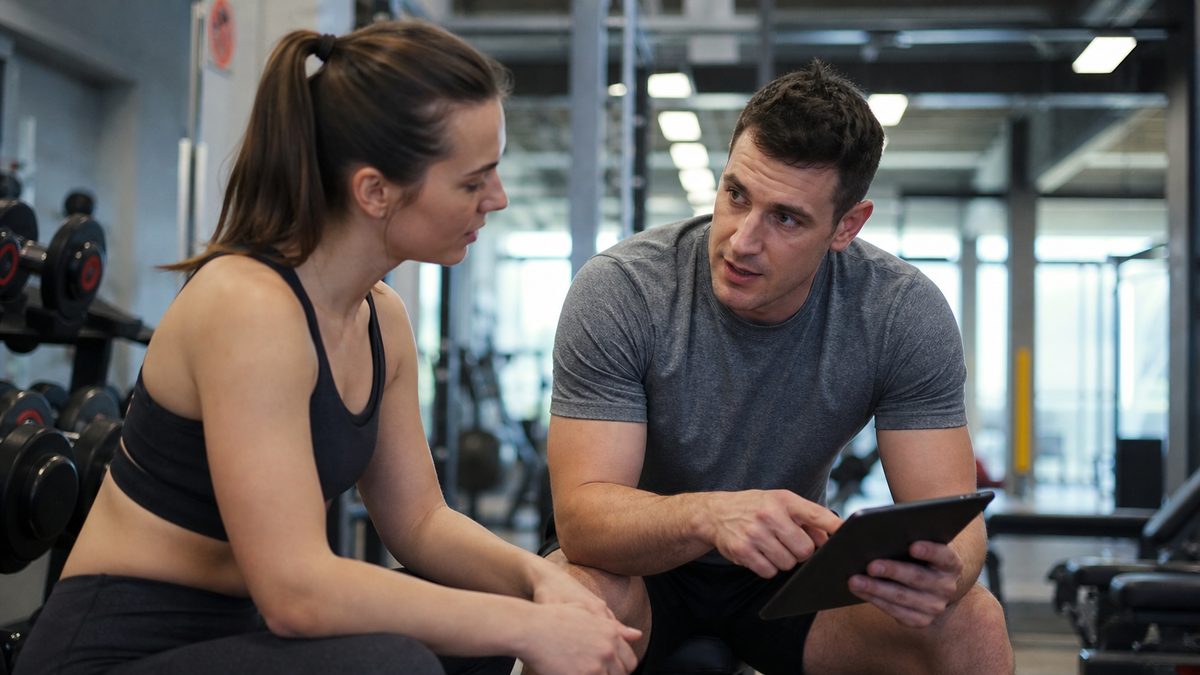
Your first personal training session should assess your needs, teach safe movement, and set a clear plan, not leave you wiped out. Your trainer needs to see how you move, learn what you want to achieve, and understand which limits must shape your program. You should leave knowing what happens next and why.
For local coaching options, visit Croydon Personal Trainers and discuss your goals, experience and preferred training schedule.
A good first session may feel slower than you expected. You might spend more time talking, testing, and learning than doing hard training. That’s useful. The trainer is finding a safe starting point, so later sessions can challenge you without wrecking your form or making recovery too hard.
What will happen when you first meet the trainer?
The trainer will usually start with a short chat about your goals, training history, daily routine, and Health. They may ask why you booked and what success would look like in your real life. “Get fit” is broad, so expect a few follow-up questions.
You might say you want to climb stairs without stopping, lift your child with less back pain, or complete ten full Push-up repetitions. Details like these help the trainer pick useful exercises and track your progress.
Be open about old injuries, current pain, medicine, sleep, stress, and recent changes in activity. Mention anything that affects your balance, Breathing, joints, blood pressure, or Circulatory system. Don’t hide a problem because you fear the trainer will cancel the workout. Clear information helps them adjust it.
The trainer may ask you to fill out a readiness form. This checks for problems that could make Exercise unsafe without medical advice. A trainer can’t diagnose an illness. If an answer raises concern, they may ask you to get clearance from a doctor or another qualified health professional before hard training starts.
Why do you need to discuss goals before exercising?
Your goal shapes what the trainer tests, teaches, and plans. Someone preparing for a long walk needs different work from someone who wants to build strength. That’s true even if both people say they want better Physical fitness.
The trainer should turn your goal into something they can measure. They might note a target date, a task you want to do, and one or two signs of progress. This may include the load you lift, how long you walk without a break, or how steady you feel in a squat.
In my experience, people often mention weight loss first because it’s easy to measure. A deeper chat may show that their true goal is more energy, greater confidence, or less fear around movement. One client may care much more about getting off the floor without help than seeing a certain number on the scale. That should shape the program.
Your trainer should also ask how much time you can honestly give to training. A perfect plan calling for five gym visits each week won’t work if you can manage two. Your program has to fit your life.
What forms should you complete before the workout?
Expect a health screening form, personal details, and an agreement explaining the service. Some trainers also use a goal sheet or a record of past Exercise. Read every form before you sign it.
Informed consent means the trainer tells you what the session may involve, along with its expected benefits and possible risks. You should get time to ask questions. You can refuse a test or stop an exercise. Signing a form doesn’t take away your right to speak up when something feels wrong.
The trainer should tell you how your personal information is stored. They should also explain what happens in an emergency. If anything on a form is unclear, ask what it means before you continue.
Which fitness checks might the trainer use?
The assessment should suit your goal and current ability. It isn’t an exam you pass or fail. It simply gives the trainer a starting point for future choices.
A trainer may look at your posture and basic movement. Common checks include sitting on a bench, reaching overhead, balancing on one leg, stepping up, hinging at the hips, or doing a supported Push-up. They’re watching your control, range, comfort, and how each side moves.
They may also check your resting heart rate or blood pressure if they’re trained and have the right equipment. A short walk, cycle, or step test can give a rough picture of Cardiovascular fitness. The trainer should tell you why they’re doing each test before it starts.
Some assessments include body weight, waist size, or body composition. These measures aren’t needed for every goal. You can say no. When working with someone who has a tough history with weight or food, a trainer should choose measures that help rather than cause distress.
What I found was that simple tasks often show more than a long string of tests. If a new client holds their breath in a bodyweight squat, loses balance, and feels knee pain, the trainer already has helpful clues. The next move is to adjust the exercise, not force through it for a higher score.
Will you do a full workout in the first session?
You’ll usually do some Exercise, but the amount can vary. If the meeting includes a long chat and several checks, the workout may be short. If your forms are done and you have no major limits, the trainer may take you through a simple full-body session.
A typical first workout might include an easy warm-up, basic strength moves, and a short conditioning block. The trainer could teach a squat to a bench, a supported row, a hip hinge, a press, or a carry. Every exercise should have a clear purpose.
The main focus should be control and technique. The trainer may shift your foot position, lower the weight, shorten the range, or pick a more stable version. Those changes are good coaching. They help you practise without pain or poor form.
Don’t expect personal records. One session gives the trainer too little information to safely judge your full ability. Heavy lifts and brutal circuits can wait until you both know how your body responds.
How hard should the first session feel?
Exercise intensity should start at a level you can handle. You should feel like you worked while still having enough control to follow directions. The trainer may use a scale from 1 to 10 and ask how hard the effort feels. A moderate first session often lands near 5 or 6.
Your Breathing gives another useful clue. During moderate work, you may breathe faster but still be able to say a short sentence. If you can’t answer the trainer, feel faint, or lose control of the movement, the effort is too high for an early assessment.
Some discomfort from working muscles is normal. Sharp pain, chest pressure, sudden dizziness, unusual shortness of breath, or numbness isn’t. Stop and tell the trainer right away.
The trainer should stay calm, end the activity, and follow the correct safety steps.
I remember one new client trying to match the pace of nearby people during a circuit. Their form fell apart within a minute, though the first round had looked easy. A slower pace helped them finish with steady movement and gave us a much better starting point. Your session is yours, not the person’s beside you.
What should the trainer teach while you move?
The trainer should give short directions you can follow. They may show the move, ask you to copy it, and then fix one detail at a time. Too many tips at once can make a basic task feel harder.
Expect help with body position, pace, and Breathing. During a squat, the trainer may ask you to keep your whole foot down and sit toward a bench. For a Push-up, they might raise your hands onto a firm surface so your body stays steady.
A skilled trainer will also ask what you feel. You should know which muscles are meant to work and whether the feeling is normal. Speak up if you feel joint pain, pinching, or strain in the wrong spot. The trainer can change or replace the exercise.
The goal isn’t to make you rely on constant orders. Early coaching should teach you to spot good form and repeat it. That skill makes later sessions safer and more useful.
How will the trainer build your plan?
The trainer will bring together your goal, test results, schedule, and recovery needs. They should explain the first stage in plain words. You need to know what you’ll train, how often you’ll train, and how progress will be measured.
Frequency matters because results come from repeated effort. One weekly session can teach technique and keep you accountable, though you may need some simple activity between visits. Two coached sessions may work better for a beginner who needs extra practice. The right Frequency gives you enough training and enough time to recover.
The plan should also show how Exercise intensity will increase. The trainer may add repetitions, improve your range, or slow down each move first. Weight can go up once your control is solid. For Cardiovascular fitness, they may make the work period longer before adding speed.
Ask what you should do alone. You may get a walking target, mobility drills, or a short home workout. The directions should list the exercise, amount, and effort. “Be more active” isn’t a useful plan.
What should you bring and wear?
Wear clothes that let you bend, reach, and move without constant fuss. Pick clean training shoes that suit the setting. Bring water and anything the trainer asked for, such as a towel, medicine, or completed health form.
Eat and drink as you normally would before moderate activity unless a health professional has told you to do something else. Try not to arrive just after a very heavy meal. If you have a condition that affects blood sugar or hydration, follow your care plan and tell the trainer what support you carry.
Arrive a few minutes early. You’ll have time to find the entrance, use the bathroom, and settle in before forms or testing. It also keeps more of your booked time free for movement.
How might you feel after the session?
You may feel energised, tired, or a little shaky if the movements are new. Mild muscle soreness may show up the next day and peak later. Severe soreness doesn’t prove the workout was useful. It can get in the way of sleep, work, and your next training session.
Drink water, eat your usual meals, and keep moving gently. A walk often feels better than sitting still. Follow any recovery advice that suits your health needs.
Contact the trainer if pain gets worse, swelling starts, or a symptom concerns you. Get urgent medical help for chest pain, fainting, severe trouble Breathing, or another medical emergency. Your first session should never leave you unsure about when to seek help.
How can you tell whether the session went well?
You should feel heard, safe, and clear about the plan. The trainer should explain their choices, adjust movements, and take your feedback seriously. You should know what the first training block is meant to improve.
A useful session doesn’t have to feel easy. It does need to feel controlled. You may work hard, but the trainer should keep the effort at a level that fits what they learned that day.
Notice how the trainer deals with uncertainty. If a movement hurts, they should stop and check it again. If a health problem falls outside their role, they should send you to the right professional. Guessing, brushing off symptoms, or making you prove your commitment are bad signs.
Before you leave, confirm the next appointment, Frequency, any solo work, and how to reach the trainer if a problem comes up. You shouldn’t need a sales pitch to understand the plan.
What should you do before you arrive?
Write down your main goal, current health concerns, past injuries, medicine, and the days you can train. Take the list with you and answer every screening question honestly. That one step gives your trainer what they need to make your first session safe, useful, and built around you.